Feature Guides

Manufacturing ERP Features: Production, Quality and Inventory

BOM, production planning, shop floor, quality, purchase, inventory and costing. The manufacturing ERP features Indian MSME and mid-sized plants need.

Purushottam Kumar Suman
Founder & CEO, Drema AI
9 min read
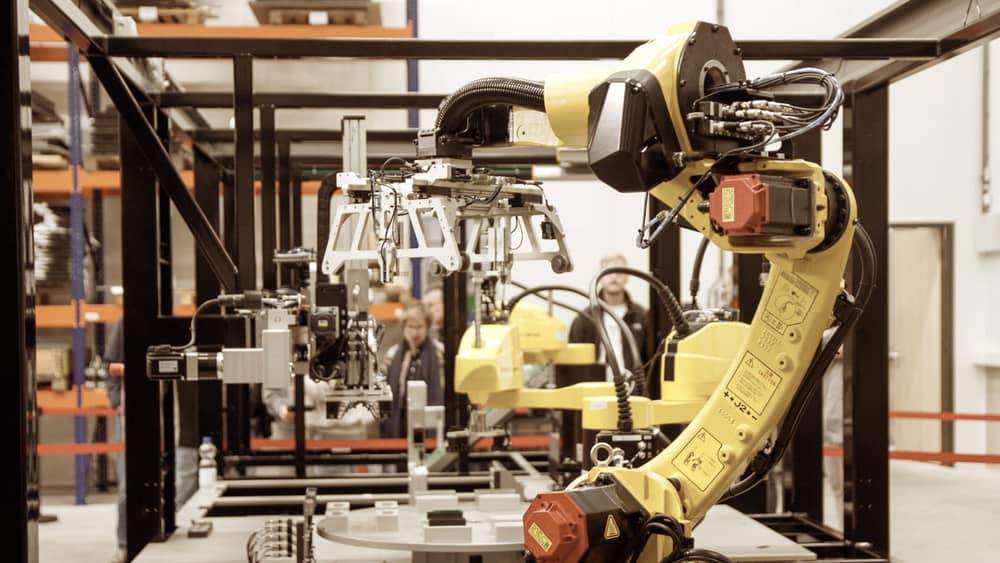
Factory floor with industrial machinery

A manufacturer needs answers to three questions every morning: what should we make today, do we have the material and are we making money on it. A manufacturing ERP exists to answer those from data rather than from the production manager's memory.

01

Bill of materials and routing

The BOM is the recipe and the routing is the method. Everything else in the ERP is calculated from them, so they must be accurate.

Multi-level BOMRaw materials, sub-assemblies and finished goods
RoutingOperations, machines, standard times and work centres
Versions and engineering changesWith effective dates
Scrap and yield factorsExpected losses by operation
Alternate itemsSubstitute materials when the primary is unavailable
02

Planning

Planning turns orders and forecasts into what to buy and what to make.

Sales orders and forecastsDemand by item and date
Material requirement planningShortages and purchase suggestions from the BOM
Production schedulingBy machine capacity and due date
Job workMaterial sent to and received from subcontractors, with challans
03

Shop floor

Shop floor data entry has to be simple enough for an operator on a tablet at the machine, or it will be entered at the end of the shift from memory.

Data entered at the end of a shift is a guess. Capture it at the machine.

Work ordersReleased with material issue lists
Production entryGood quantity, rejections and time, by operation
Downtime recordingWith reasons
Machine dataCounts and status from PLCs or sensors where available
OEEAvailability, performance and quality by machine
04

Quality

Quality checks belong inside the flow of material, not in a separate file.

Incoming inspectionSampling plans and supplier rejection
In-process checksParameters recorded by operation
Final inspectionCertificates of analysis or test reports
Non-conformance and corrective actionTracked to closure
TraceabilityFrom finished batch back to raw material lot
05

Inventory, purchase and sales

The commercial modules connect the plant to suppliers and customers.

Stores and bin locationsBatch and lot trackingPurchase orders and approvalsSupplier ratingDispatch and packingGST e-invoice and e-way billCustomer schedulesReturns
06

Costing and finance

Costing shows which products and customers earn money. Compare standard cost with actual material, labour, machine and overhead cost per work order. Integrate with accounting so that stock values and cost of goods sold come from the same data.

BOM
Accuracy decides everything downstream
Actual vs standard
Cost per work order
Traceability
Finished batch to raw material lot
07

How to phase it

Start with inventory, purchase, sales and BOM-based production entry. Add planning and quality next. Machine integration and advanced scheduling come last, when the basic data is trusted. Plants that try to switch on every module at once usually end up using only the invoicing screen.

Purushottam Kumar Suman
Written by
Purushottam Kumar Suman
Founder & CEO, Drema AI

Founder and CEO of Drema AI. Builds AI systems, SaaS platforms and industry software — and writes about what actually survives production.

CTA Background

Got a problem like this one?

Bring it to a call with a founder.You will get a straight answer, including when the answer is no.

View Our Work
AI-First Engineering
Secure & Scalable
Built to Deliver Impact