Mobile App Development.
iOS and Android apps people keep on their home screen.
Drema builds mobile applications for iOS and Android, usually cross-platform with React Native where it fits and native where the product genuinely demands it. We design for the conditions apps actually run in — patchy connectivity, older devices, and users who will delete anything that frustrates them twice.
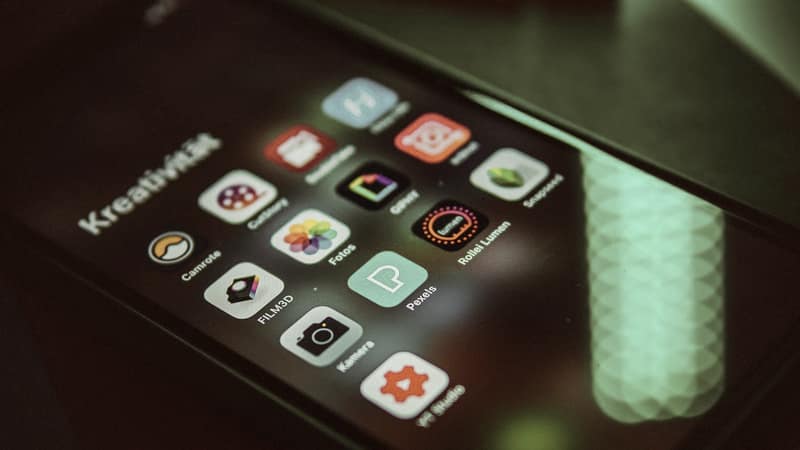
iOS and Android apps people keep on their home screen.
What usually
goes wrong.
Apps built as a thin wrapper around a website fail in predictable ways: nothing works without signal, the interface ignores platform conventions, push notifications were an afterthought, and the first app store submission is rejected for reasons nobody researched.
Everything that ships
with this work.
Not a menu to choose from. Each piece is here because leaving it out is what makes this kind of project fail six months later.
Platform strategy
An honest recommendation on cross-platform versus native based on your feature set, not on what is fashionable.
Offline-first data layer
Local persistence and sync so the app remains useful on a train, in a lift or on 3G.
Native interface patterns
Navigation, gestures and components that match what iOS and Android users already expect.
Push notifications
Segmented, permissioned messaging designed to be useful rather than to trigger uninstalls.
Store release
Assets, listings, review guidelines, signing and phased rollout on both stores.
Crash and usage monitoring
Reporting from day one so real-device failures are visible and fixable.
The order matters more
than the tools.
Most of what separates a project that lands from one that stalls is sequence. This is the order we work in, and why each step comes where it does.
- 01
Define the core loop
The one thing a user opens the app to do. Everything else is secondary and can ship later.
- 02
Prototype on device
Real hardware in week one, because simulators hide performance and ergonomics problems.
- 03
Build with sync in mind
Offline behaviour and conflict resolution designed in, not retrofitted after launch.
- 04
Beta test
TestFlight and Play internal testing with real users on real networks before public release.
- 05
Release and iterate
Phased rollout, crash monitoring and a fast path to shipping fixes.
Where this gets
put to work.
The situations this service is built for. If one of these sounds like your problem it is worth a conversation — and if none of them do, say so on the call and we will point you at what would actually fit.
Consumer marketplaces
Booking and discovery apps where mobile is the primary channel.
Field and operations apps
Tools for staff working away from a desk, where offline capability is essential.
Community and events
Social products built around participation, like the PetPujaris dining community.
Companion apps
Mobile extensions of an existing web platform, sharing one backend.
Have a use case that is not on this list? That is usually the interesting one.
Chosen to fit,
not to impress.
We pick tools that suit the problem and that your team can maintain after we hand over — never to pad a capability list.
Questions we
get asked.
Straight answers, including the ones that talk you out of work we would otherwise be paid for.
Should we build native or cross-platform?
Cross-platform with React Native covers the majority of business apps at roughly half the cost of two native codebases. Go native when you depend heavily on platform-specific hardware, sustained high-performance graphics, or deep OS integration. We make the call against your feature list and tell you which applies.
How long does it take to build a mobile app?
A focused first version with one strong core loop is typically three to four months including store release. Apps with payments, real-time features or complex offline sync take longer, and we scope those explicitly rather than discovering them mid-build.
Do you handle App Store and Play Store submission?
Yes, including listing assets, privacy declarations, signing and phased rollout. First submissions are frequently rejected on guideline details, so we prepare for review requirements during the build rather than after.
Can the app work offline?
Yes, and for most apps it should. We design a local data layer with sync and conflict handling, so the app stays usable without connectivity and reconciles cleanly when it returns.
Can you reuse our existing backend?
Usually yes. If your web platform already has a solid API we build the app against it, sometimes adding mobile-specific endpoints to reduce round trips and payload size on slow networks.
What happens after launch?
Mobile requires ongoing attention: OS updates, store policy changes and crash fixes. We offer a maintenance arrangement, and we hand over signing credentials and documentation so you are never locked in.

Talk it through with a founder.
Bring the actual problem. You will get a straight answer on whether mobile app development is the right approach
— including when it is not.
Mobile App Development near you
What mobile app development looks like in each city we serve — local industries, regulation, integrations and working hours.
- Mobile App Development in Noida
- Mobile App Development in Delhi
- Mobile App Development in Gurugram
- Mobile App Development in Mumbai
- Mobile App Development in Bengaluru
- Mobile App Development in Hyderabad
- Mobile App Development in Chennai
- Mobile App Development in Pune
- Mobile App Development in Kolkata
- Mobile App Development in Ahmedabad
- Mobile App Development in Jaipur
- Mobile App Development in Chandigarh
- Mobile App Development in Lucknow
- Mobile App Development in Indore
- Mobile App Development in Kochi
- Mobile App Development in Coimbatore
- Mobile App Development in Bhubaneswar
- Mobile App Development in Surat
- Mobile App Development in Nagpur
- Mobile App Development in Patna
- Mobile App Development in Ghaziabad
- Mobile App Development in Faridabad
- Mobile App Development in Thiruvananthapuram
- Mobile App Development in Visakhapatnam
- Mobile App Development in Vadodara
- Mobile App Development in Mysuru
- Mobile App Development in Mangaluru
- Mobile App Development in Nashik
- Mobile App Development in Bhopal
- Mobile App Development in Ranchi
- Mobile App Development in Guwahati
- Mobile App Development in Dehradun
- Mobile App Development in Ludhiana
- Mobile App Development in Kanpur
- Mobile App Development in Goa
- Mobile App Development in Greater Noida
- Mobile App Development in Meerut
- Mobile App Development in Agra
- Mobile App Development in Varanasi
- Mobile App Development in Prayagraj
- Mobile App Development in Rajkot
- Mobile App Development in Amritsar
- Mobile App Development in Jalandhar
- Mobile App Development in Jodhpur
- Mobile App Development in Udaipur
- Mobile App Development in Kota
- Mobile App Development in Raipur
- Mobile App Development in Jabalpur
- Mobile App Development in Gwalior
- Mobile App Development in Chhatrapati Sambhajinagar (Aurangabad)
- Mobile App Development in Thane
- Mobile App Development in Navi Mumbai
- Mobile App Development in Kolhapur
- Mobile App Development in Madurai
- Mobile App Development in Tiruchirappalli
- Mobile App Development in Salem
- Mobile App Development in Vijayawada
- Mobile App Development in Hubballi-Dharwad
- Mobile App Development in Jamshedpur
- Mobile App Development in Siliguri
- Mobile App Development in Jamnagar
- Mobile App Development in Gandhinagar
- Mobile App Development in Ajmer
- Mobile App Development in Bikaner
- Mobile App Development in Bareilly
- Mobile App Development in Moradabad
- Mobile App Development in Gorakhpur
- Mobile App Development in Haridwar
- Mobile App Development in Shimla
- Mobile App Development in Jammu
- Mobile App Development in Srinagar
- Mobile App Development in Panipat
- Mobile App Development in Mohali
- Mobile App Development in Ujjain
- Mobile App Development in Bhilai
- Mobile App Development in Cuttack
- Mobile App Development in Shillong
- Mobile App Development in Solapur
- Mobile App Development in Belagavi
- Mobile App Development in Tirupati
- Mobile App Development in Warangal
- Mobile App Development in Tiruppur
- Mobile App Development in Kozhikode
- Mobile App Development in Thrissur
- Mobile App Development in Puducherry
- Mobile App Development in Bhavnagar
- Mobile App Development in Vapi
- Mobile App Development in Anand
- Mobile App Development in Alwar
- Mobile App Development in Bhilwara
- Mobile App Development in Aligarh
- Mobile App Development in Mathura
- Mobile App Development in Jhansi
- Mobile App Development in Saharanpur
- Mobile App Development in Rudrapur
- Mobile App Development in Hisar
- Mobile App Development in Karnal
- Mobile App Development in Patiala
- Mobile App Development in Dhanbad
- Mobile App Development in Muzaffarpur
- Mobile App Development in Durgapur
- Mobile App Development in Rourkela
- Mobile App Development in Agartala
- Mobile App Development in Jalgaon
- Mobile App Development in Sangli
- Mobile App Development in Kalaburagi
- Mobile App Development in Guntur
- Mobile App Development in Nellore
- Mobile App Development in Erode
- Mobile App Development in Vellore
- Mobile App Development in New York
- Mobile App Development in San Francisco
- Mobile App Development in Austin
- Mobile App Development in Toronto
- Mobile App Development in London
- Mobile App Development in Dubai
- Mobile App Development in Riyadh
- Mobile App Development in Singapore
- Mobile App Development in Sydney
- Mobile App Development in Melbourne
- Mobile App Development in Berlin
- Mobile App Development in Amsterdam
- Mobile App Development in Los Angeles
- Mobile App Development in Chicago
- Mobile App Development in Seattle
- Mobile App Development in Boston
- Mobile App Development in Manchester
- Mobile App Development in Paris
- Mobile App Development in Dublin
- Mobile App Development in Abu Dhabi
- Mobile App Development in Doha
- Mobile App Development in Kuala Lumpur
- Mobile App Development in Washington, DC
- Mobile App Development in Atlanta
- Mobile App Development in Dallas
- Mobile App Development in Houston
- Mobile App Development in Miami
- Mobile App Development in Denver
- Mobile App Development in San Diego
- Mobile App Development in San Jose
- Mobile App Development in Phoenix
- Mobile App Development in Philadelphia
- Mobile App Development in Detroit
- Mobile App Development in Minneapolis
- Mobile App Development in Raleigh-Durham
- Mobile App Development in Nashville
- Mobile App Development in Vancouver
- Mobile App Development in Montreal
- Mobile App Development in Calgary
- Mobile App Development in Birmingham
- Mobile App Development in Edinburgh
- Mobile App Development in Leeds
- Mobile App Development in Munich
- Mobile App Development in Frankfurt
- Mobile App Development in Zurich
- Mobile App Development in Stockholm
- Mobile App Development in Copenhagen
- Mobile App Development in Madrid
- Mobile App Development in Barcelona
- Mobile App Development in Milan
- Mobile App Development in Lisbon
- Mobile App Development in Warsaw
- Mobile App Development in Brussels
- Mobile App Development in Vienna
- Mobile App Development in Sharjah
- Mobile App Development in Jeddah
- Mobile App Development in Kuwait City
- Mobile App Development in Manama
- Mobile App Development in Muscat
- Mobile App Development in Tel Aviv
- Mobile App Development in Johannesburg
- Mobile App Development in Cape Town
- Mobile App Development in Nairobi
- Mobile App Development in Lagos
- Mobile App Development in Tokyo
- Mobile App Development in Hong Kong
- Mobile App Development in Jakarta
- Mobile App Development in Bangkok
- Mobile App Development in Manila
- Mobile App Development in Auckland
- Mobile App Development in Brisbane
- Mobile App Development in Perth
- Mobile App Development in Portland
- Mobile App Development in Salt Lake City
- Mobile App Development in Charlotte
- Mobile App Development in Pittsburgh
- Mobile App Development in Columbus
- Mobile App Development in Indianapolis
- Mobile App Development in Kansas City
- Mobile App Development in Tampa
- Mobile App Development in Orlando
- Mobile App Development in Las Vegas
- Mobile App Development in Sacramento
- Mobile App Development in St. Louis
- Mobile App Development in Ottawa
- Mobile App Development in Edmonton
- Mobile App Development in Waterloo
- Mobile App Development in Bristol
- Mobile App Development in Glasgow
- Mobile App Development in Cambridge
- Mobile App Development in Belfast
- Mobile App Development in Cardiff
- Mobile App Development in Hamburg
- Mobile App Development in Stuttgart
- Mobile App Development in Düsseldorf
- Mobile App Development in Rotterdam
- Mobile App Development in Oslo
- Mobile App Development in Helsinki
- Mobile App Development in Geneva
- Mobile App Development in Luxembourg
- Mobile App Development in Prague
- Mobile App Development in Budapest
- Mobile App Development in Bucharest
- Mobile App Development in Athens
- Mobile App Development in Rome
- Mobile App Development in Lyon
- Mobile App Development in Tallinn
- Mobile App Development in Dammam
- Mobile App Development in Cairo
- Mobile App Development in Istanbul
- Mobile App Development in Casablanca
- Mobile App Development in Accra
- Mobile App Development in Kigali
- Mobile App Development in Seoul
- Mobile App Development in Osaka
- Mobile App Development in Taipei
- Mobile App Development in Ho Chi Minh City
- Mobile App Development in Colombo
- Mobile App Development in Dhaka
- Mobile App Development in Kathmandu
- Mobile App Development in Adelaide
- Mobile App Development in Wellington