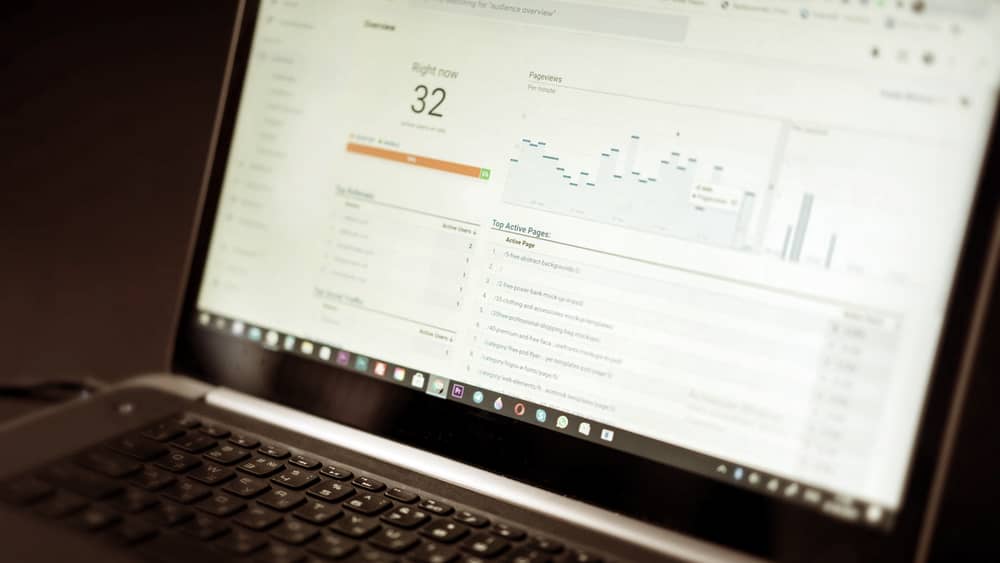


A mobile analytics plan should connect events to product questions, define when each event fires and minimise unnecessary data collection. Track meaningful completion rather than only screen visits. Without shared definitions, two dashboards can report different conversion rates from the same user journey.

Let’s plan your app analytics plan.
Bring your workflow and the decisions you need to make. We’ll help you clarify requirements, review the trade-offs and define a practical next step.
Start with a decision rather than a tracking library
Choose a question such as where eligible users abandon a booking. Define the population, journey start and successful outcome. Distinguish a user choosing an available slot from the server confirming that the booking exists.
Name the person who will act on the result. If nobody can explain how an event supports a decision, reconsider collecting it. A large event catalogue can increase debugging and governance work without improving the product.
Write an event dictionary
| Event concept | Trigger to specify | Ambiguity to prevent |
|---|---|---|
| Journey started | User begins an eligible task | Passive screen load counted as intent |
| Validation failed | Defined input rule rejects progress | Technical outage mixed with user error |
| Request submitted | Client sends a valid request | Submission mistaken for completion |
| Outcome confirmed | Authoritative business state exists | Duplicate confirmation after retry |
| Recovery used | User resumes or corrects a failed path | Automatic retry counted as user action |
| Journey abandoned | Agreed observation rule applies | Short interruption labelled permanent loss |
For each event, document allowed properties, data types, version and owner. Exclude sensitive free text and raw documents unless a justified, approved design requires them.
Handle mobile delivery conditions
Events may be delayed by connectivity, app suspension or disabled tracking. Specify deduplication, timestamps and account boundaries. Do not assume event arrival order reproduces the user's exact sequence.
In a hypothetical offline field app, the client may capture a form completion before the server accepts the record. Analyse those as separate states. Otherwise the business can mistake locally saved work for successfully submitted work.
Validate numbers against operational records
Use authorised test journeys to verify expected events and properties. Compare confirmed-outcome counts with the underlying application records for a defined period. Investigate differences before making funnel claims.
Record changes to event semantics alongside app versions. A conversion increase after an instrumentation change may reflect a new definition rather than improved behaviour. Preserve enough context to interpret the comparison.
Analytics questions
Should every tap be tracked?
Not by default. Start with events needed to answer defined questions and add detail when a decision requires it.
Can analytics replace the transaction database?
No. Product analytics may be incomplete or delayed. Use authoritative operational records for business state and reconcile where needed.
Connect the plan to trustworthy product metrics. Bring your first product questions to Drema's mobile app team.